International Longshore and Warehouse Union
Local 21

Global Trade Through Skilled Labor

Based in Longview, WA, ILWU Local 21 plays a vital role in powering the global economy through the Columbia River. From agricultural goods to log exports, we safely and efficiently connect industries and communities to international markets.

Operating across multiple terminals, our members carefully handle a wide range of cargo, including logs, lumber, calcined coke, salt, potash, soda ash, clay, windmill components, steel coils, agricultural products, and more.

More than longshore workers, we are a family of skilled professionals committed to supporting industries, strengthening communities, and driving global trade.

Cargo Operations

Discover where we operate with our interactive terminal map, spanning Longview to Kalama, Washington. Click on each location to see what we import and export and learn about the vital role each terminal plays in global trade.

Zoom in and click a marker to explore the details—find out more about the cargo we handle and how we keep commerce moving.

ILWU Local 21 takes pride in handling a wide range of cargo, connecting our region to the world.

We support bulk agricultural exports at three key facilities: EGT in Longview and Kalama Export and Temco in Kalama, efficiently moving grains like corn, soybeans, and wheat to global markets.

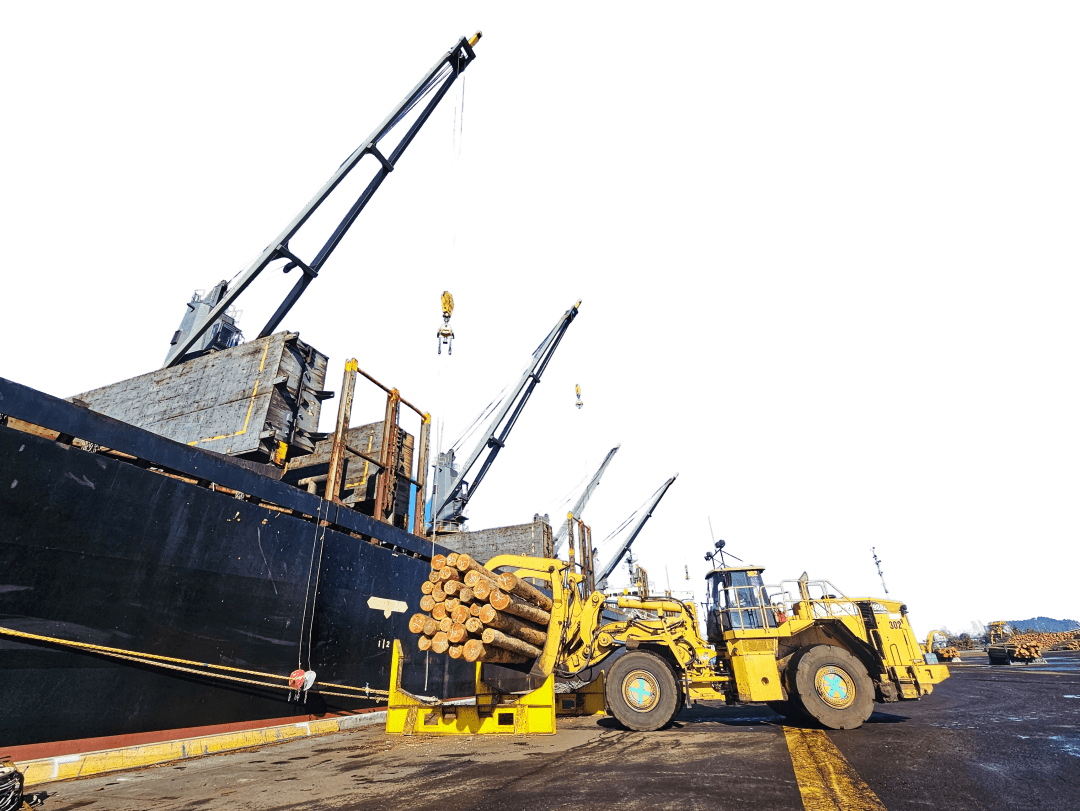
Our log export operations, based at two Weyerhaeuser docks west of the Lewis and Clark Bridge, are among the most efficient worldwide, shipping timber across continents.

At the Port of Longview, we handle diverse operations, from steel and wind turbines to dry bulk like iron ore, potash, and calcined coke, serving industries from agriculture to aluminum and steel.

Across the river at Teevin’s dock in Rainier, Oregon, we prepare lumber and cargo barges for Hawaii, supporting the forestry supply chain.

At Local 21, we’re not just moving goods—we’re experts driving progress and global trade.
Forestry

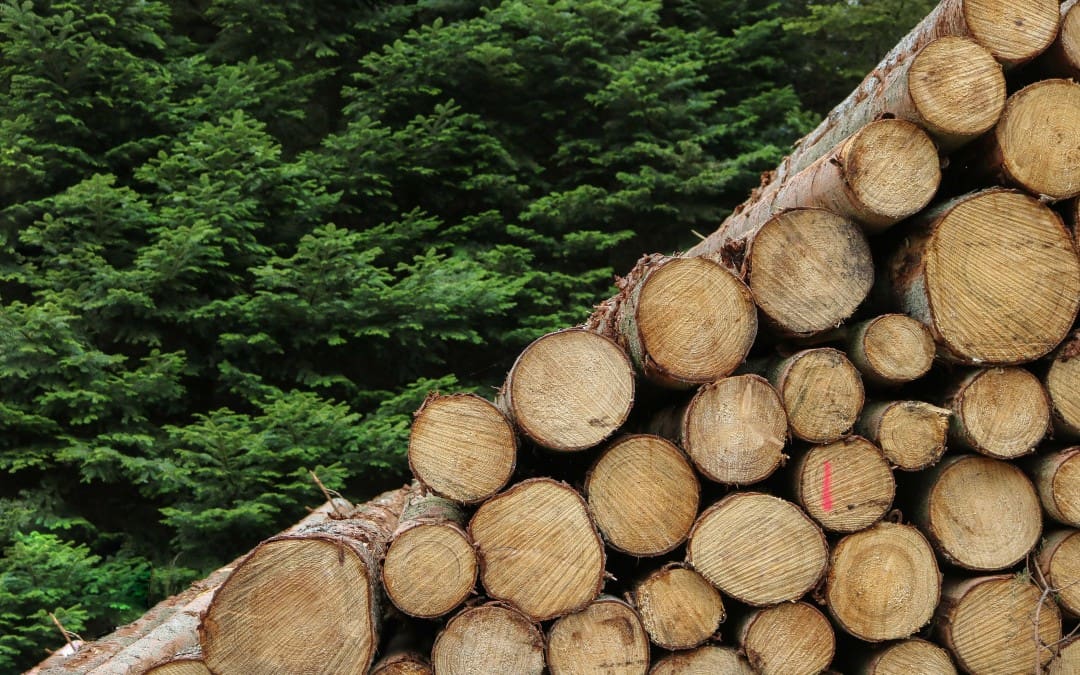
ILWU Local 21 stands as a benchmark for safety and efficiency in global log export operations. Each year, our crews expertly load dozens of ships, ensuring the seamless delivery of high-quality timber to forestry markets worldwide.

Safety is fundamental to our work. We prioritize the protection of our workforce, the environment, and the integrity of the cargo. This unwavering commitment to safety underpins our ability to manage high volumes with precision and reliability.

Through disciplined execution and meticulous attention to detail, ILWU Local 21 continues to uphold the highest standards in log exports, driving global trade while strengthening our local community.

Wind Energy

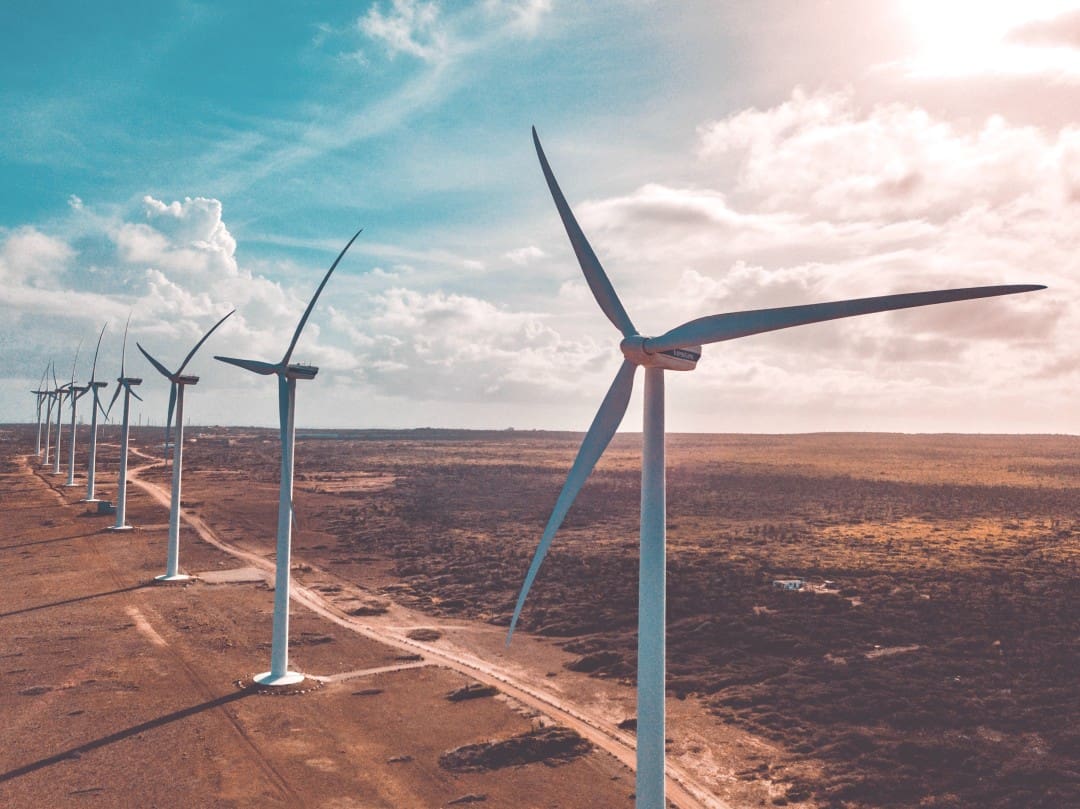
At ILWU Local 21, we take pride in our role in advancing renewable energy by managing the import of large-scale wind turbine components. From their arrival at our terminals to their careful transportation, every step is executed with precision and professionalism.

Handling these oversized components requires meticulous care. Blades exceeding 100 feet are offloaded to protect their delicate fiberglass structures, while turbine generators—each comparable to a small house—demand exceptional attention to ensure safe handling.

Our commitment to sustainable solutions is reflected in every operation. By expertly managing these critical components, ILWU Local 21 contributes to the global expansion of renewable energy and a cleaner, greener future.


Steel

ILWU Local 21 is a key player in the steel industry, with operations extending across the Port of Kalama and the Port of Longview. In Kalama, we handle the import of 25-ton steel coils destined for Steelscape, where they are transformed into roofing and siding materials used nationwide.

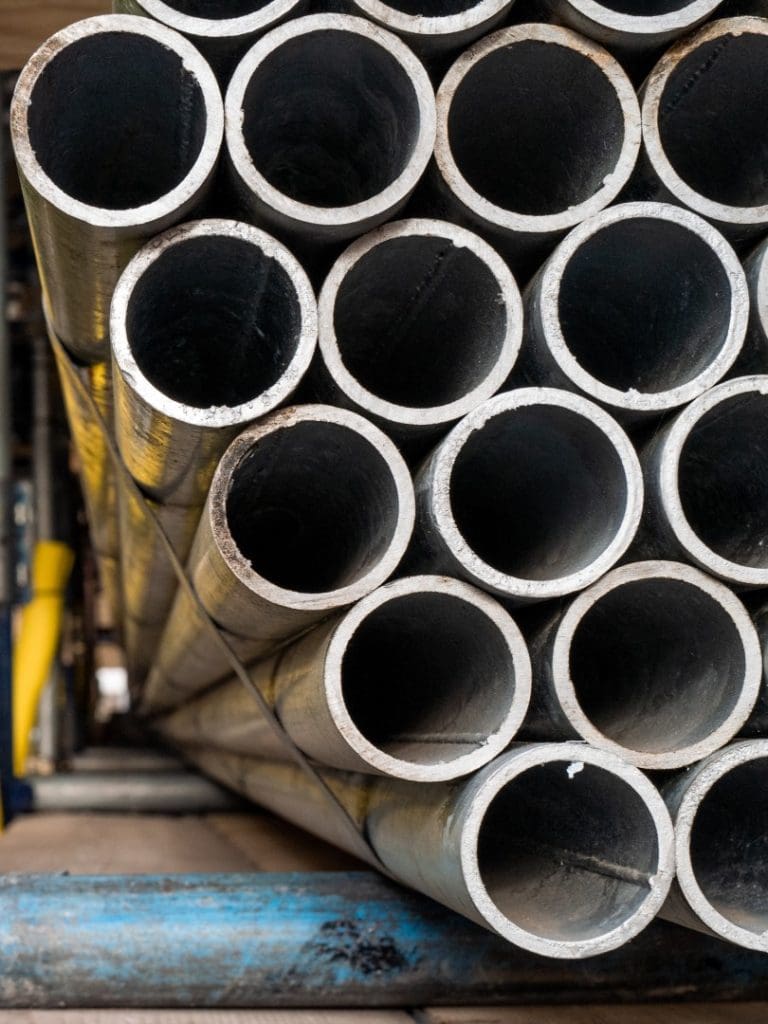
At the Port of Longview, we manage the export of scrap metal and the import of steel coils, tubing, I-beams, and plates. These essential materials are efficiently loaded onto trucks, supporting critical construction and manufacturing sectors.

Through precision, efficiency, and commitment, our crews ensure the seamless flow of steel products. By linking producers, manufacturers, and consumers, ILWU Local 21 plays a pivotal role in driving the global steel industry and fostering progress in our communities.

Agriculture

ILWU Local 21 brings expertise to three vital grain export terminals—one at the Port of Longview and two in Kalama. From these strategic locations, we ensure the efficient export of wheat, corn, soybeans, and soymeal, delivering essential resources to international markets with precision and reliability.

Every Panamax ship we load reflects our dedication. With capacities of up to 60,000 tons, these vessels are integral to global trade. Annually, we load over 100 Panamax ships, bridging the gap between producers and consumers worldwide.

At Local 21, we’re more than cargo handlers—we’re partners in sustaining global food supply, one expertly loaded ship at a time.

Involved In Our Community

The longshore members of ILWU Local 21 are deeply committed to supporting the communities where we live and work. Throughout the year, our members donate both their time and money—often directly from their own paychecks—to benefit local charities, youth sports teams, families in need, and various community initiatives.

From sponsoring little league teams and organizing clothing drives to contributing to food banks and helping with holiday toy donations, our members strive to make a meaningful difference. This spirit of generosity and solidarity reflects the values that define Local 21—standing together to strengthen our community and support those who need it most.

Community House Dinner

Every three months, Local 21 members prepare and serve dinner at The Community House on Broadway. Halloween is a favorite tradition, with costumes and candy bringing extra joy to the kids. It’s one small way we give back to our neighbors.

Longshore Golf Tournament

Each year, our Longshore Golf Tournament brings together Longshoremen, friends, family, and the maritime community for a day of golf, food, and fun. Proceeds support local charities like The Community House, Reading Is Fundamental, and others making a difference in our community.

Sports Teams

Each year, Local 21 dedicates funds from our members’ paychecks to support local little league and sports teams. Donations are decided by a membership vote, helping us invest in the next generation of our community.

Metal Recycling

Local 21 members collect and recycle scrap metal from cargo operations, turning what would be waste into funds for local causes. It’s another way we give back to our community.

Salvation Army Toy Drive

During the holidays, Local 21 members contribute to the Salvation Army toy drive, helping bring joy and gifts to children in our community.

Sock and Clothing Drives

Each year as school starts, we place a bin in our hall to collect clothes and socks for underprivileged children in our community. It's a simple way we help local students get ready for the new school year.

FAQ

How many people are needed to load or unload a ship?

Loading a vessel takes teamwork. Dock-side crews unload trains or prep cargo, while ship-side crews handle loading with spouts or cranes. For logs, steel, or windmills, it’s a coordinated effort of ground crews and machinery. The answer? A lot.

What does a workweek look like for a longshore worker?

Longshore workers don’t have set schedules. Dispatched from the Longshore Hall for day or night shifts, they tackle ever-changing duties at ships and terminals. Jobs can last a day or over a week before they return for their next assignment.

Is Longshoring Dangerous?

Longshore work comes with risks like heavy loads, tight spaces, and extreme weather. While hazards can’t be eliminated, they’re mitigated with safety gear, clear communication, equipment checks, and proper maintenance.

Do taxpayers Pay the wages of longshore workers?

As a general rule, loading or unloading a vessel is billed to the shipping customer. Maintenance, setup, cleanup, or yard operations are typically covered by port funds.

How much weight can a ship carry?

We handle Handymax and Panamax class vessels, typically carrying 40,000–60,000 metric tons of cargo.

How many different tasks are there in the longshore industry?

Unlike most jobs, longshoremen take on a variety of tasks—or "jobs"—throughout the month. One week might involve operating a payloader in a warehouse, the next driving a dock truck and trailer, and then running a locomotive to move rail cars.

With dozens of cargo operations at our local and hundreds more across the broader industry, longshore work requires versatility, skill, and the ability to safely handle a range of machinery and tasks.

How Can I Get a Job In the Longshore Industry?

Every five years or so, a neutral third party facilitates the longshore lottery, with the process fully video-recorded.

Being drawn doesn’t guarantee full-time work—it starts a part-time casual process that can take 1–5 years or longer before reaching Class B status.

For announcements or results, check local newspapers or visit our website under Resources > PMA > Casual Drawing.

Recent Posts:

* Scroll left/right to view all categories
No content on this website is to be copied or redistributed, including but not limited to photos, videos, other media, or written content.
© 2025 ILWU Local 21. All rights reserved.
Website Admin Privacy Policy Disclaimer Credits

Log In

[ultimatemember form_id="127"]